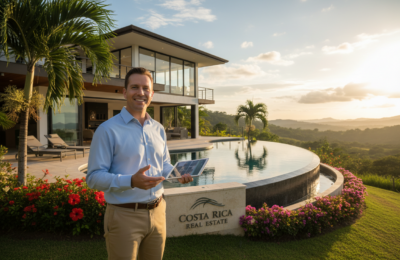

Owner Financing Opportunities in Costa Rica Real Estate
Welcome to the vibrant world of Costa Rican property. For international buyers, securing a piece of this paradise can be simpler than you think.
We’re GAP Real Estate. Think of us as your guide and education partner. Our job is to walk you through the entire purchase journey, from discovery to closing.
Let’s be clear upfront. We provide information and connect you with investment-ready listings. We do not give legal or tax advice, and nothing here is an offer.
Costa Rica’s real estate market is thriving. Steady appreciation and strong international demand make it a standout investment destination. The economy is stable, and the lifestyle is unmatched.
Financing a purchase here can feel daunting. Traditional bank loans are tough for foreigners to get. That’s why alternative methods have become a popular, flexible solution.
This article will explain how these creative financing options work. We’ll cover the benefits, the due diligence you need, and practical tips for a smooth transaction.
We take a casual, straightforward approach. We coordinate discovery, vetting, tours, and connect you with trusted local pros for the legal heavy lifting. Let’s get started.
Understanding the Costa Rican Real Estate Landscape
The appeal of Costa Rican property extends far beyond its famous beaches and biodiversity. International buyers are drawn by a stable economy, a welcoming culture, and a market that consistently delivers solid returns on investment.
Market Overview and Investment Appeal
Properties in sought-after coastal zones like Tamarindo, Nosara, and Santa Teresa have seen annual appreciation of 8-15%. This growth is fueled by limited inventory, strong tourism, and steady demand from overseas buyers.
The market offers incredible diversity. You can find beachfront condos for rental income, luxury mountain homes, eco-lodges, and gated community properties. There’s an option for every buyer profile in Costa Rica.
Legal Protections and Foreign Ownership
Foreigners enjoy the same property ownership rights as Costa Rican citizens. A transparent title registration system provides full legal protection for your purchase.
Special rules apply within the 200-meter maritime zone. Working with a qualified local attorney is crucial to verify these concession structures.
Ongoing costs are manageable. Property taxes are a low 0.25% of the registered value per year.
We help you navigate this landscape with confidence. We provide investor education and connect you with trusted legal professionals to ensure a secure and compliant transaction.
Benefits of Owner Financing for International Buyers
What if you could bypass the red tape and lengthy approvals of conventional lending to close on a property quickly? For many foreigners, traditional bank financing here is a major hurdle. Most banks require permanent residency and extensive documentation. The process can take months, often ending in rejection.
Flexibility and Simplicity
Owner financing, or seller financing, changes the game. The seller acts as your lender. You make payments directly to them over an agreed period.
This eliminates the need for credit checks or income verification. Terms are negotiated directly. This creates a deal that fits your cash flow and timeline perfectly.
Faster Transactions Without Traditional Bank Hurdles
Speed is a huge advantage. Without bank underwriting and committee approvals, deals close much faster. You can secure your chosen property before someone else does.
The simplicity is refreshing. There are fewer forms and no need for translated tax returns. It’s a straightforward agreement between two motivated parties.
Costa Rica’s strong mortgage laws protect everyone. A qualified attorney documents the deal. The buyer gets legal ownership, and the seller holds a secure lien.
This isn’t a niche option. Roughly 20% of transactions now use some form of seller financing. It’s a mainstream solution for savvy buyers.
Financing options can vary. For more details on other capital solutions, you can visit gapequityloans.com.
Exploring Owner Financing Options in Costa Rica
Let’s break down the practical steps of a seller-financed purchase. This owner financing path creates a direct agreement for financing property.
How Owner Financing Works in Costa Rica
You and the seller agree on a price. You provide a down payment, often 30-50%. The seller then extends a loan for the balance.
At closing, you become the legal owner. The seller holds a secured lien against the property. This protects the buyer seller agreement.
Key Terms and Down Payment Guidelines
Monthly payments go directly to the seller. The loan is typically amortized over many years to keep payments low. A larger balloon payment is often due within a few years.
Registering this mortgage is a critical legal step. It usually costs a small percentage of the loan amount. A qualified attorney ensures everything is filed correctly.
We coordinate with local professionals to handle the documentation and secure fund transfers. Many agreements have no prepayment penalty, offering you flexibility.
Navigating the Buyer Education Process
We believe informed buyers make the best decisions. That’s why education is central to our process. We walk with you from initial curiosity to confident ownership.
Our goal is to ensure you understand every step. This includes the market dynamics and the specific actions needed to close successfully.
Discovery, Vetting, and Property Tours
It all starts with a conversation. We learn about your goals, budget, and dream property type. Are you looking for a beachfront condo or a mountain retreat? We tailor our search to match your vision.
Next, we vet potential properties. Not every listing online is what it seems. We pre-screen for clean titles, realistic pricing, and solid investment potential.
Then, we coordinate in-person tours. Photos can only tell you so much. Experiencing the neighborhood and local vibe is essential. We make sure your time on the ground is maximized.
Coordinating Due Diligence with Local Professionals
Once you find the right property, we help structure a competitive offer. This is true whether you’re paying cash or arranging financing. We then connect you with our network of trusted local experts.
This includes qualified attorneys, notaries, and escrow agents. They handle all the legal and technical heavy lifting. Our role is to guide and coordinate, not provide legal advice.
We set realistic timeline expectations. Buying property here takes several weeks to a few months. We keep you informed every step of the way.
Working with bilingual professionals is key. Your agent and attorney must understand both local systems and international buyer needs. That’s exactly what we bring to the table.
Essential Due Diligence and Property Verification
Skipping due diligence on a Costa Rican property purchase is like buying a car without checking under the hood—it’s a gamble you can’t afford. This process protects your investment and prevents nasty surprises after closing.
Cutting corners here can cost you far more than the time and fees involved. We coordinate with trusted local professionals to ensure every check is completed properly.
Clean Title Review and Survey/Plano Checks
Your Costa Rican attorney will search the National Registry. They confirm the seller is the legal owner and verify no liens or claims exist against the property.
You also need to confirm the survey, or “plano.” This ensures property dimensions match the registered plan and boundaries are clear. It prevents disputes with neighbors, especially on rural land.
Zoning, Permits, and Homeowner Association Rules
Verify the property’s zoning and any construction permits. This ensures your intended use is legal and structures are compliant.
If buying into a community, review the HOA or condo rules. Monthly fees and restrictions on rentals can significantly impact your plans and costs.
Other vital checks include water source verification, easements for access, and confirming municipal taxes are paid. Your attorney handles all legal due diligence for a secure purchase.
We help set realistic timelines. Thorough due diligence in Costa Rica typically takes 2-4 weeks before you proceed to closing.
Alternative Financing Options Beyond Owner Financing
Exploring all your financing options ensures you choose the best fit for your investment. While owner financing is highly accessible, some buyers prefer traditional mortgage structures.
Local Bank Loans vs. International Mortgages
Major Costa Rican banks do offer mortgage products to foreigners. Gaining approval, however, is a significant hurdle.
The process requires extensive documentation. This includes proof of income, tax returns, and credit reports translated to Spanish.
You often need a local co-signer. The entire loan application can be slow and bureaucratic, taking several months.
Interest rates from local banks are generally competitive. Loan terms can extend 15-25 years.
Down payments often start at 30% for residents. For non-residents, they frequently climb to 50%.
International and offshore lenders provide an alternative. They offer more flexible approval criteria and faster turnaround.
This financing typically comes with higher interest rates and additional fees. For buyers with strong international credit, it can be a viable path.
Most foreign buyers find the local bank route impractical after reviewing the requirements. We help you understand this landscape.
For detailed information on capital solutions, visit gapequityloans.com. Our role is educational—we connect you with resources.
Creative Short-Term Financing and Equity-Based Strategies
Savvy investors don’t let perfect financing stop them from securing the right property. Many use creative, short-term strategies to buy now and arrange longer-term funding later.
Utilizing Personal Assets and Self-Directed IRAs
US buyers often use self-directed IRAs. You can convert a traditional IRA to invest directly in Costa Rica real estate.
The rollover process is straightforward. It allows you to use retirement funds without tax penalties. Some buyers also cash in stock investments to fund their purchase.
Leveraging Home Equity and Alternative Credit Options
Tapping equity in your primary home is a common tactic. This provides accessible capital to pay cash for your Costa Rica property.
Borrowing against a stock portfolio is another option. It offers quick access to funds without selling assets. This can be an efficient short-term credit solution.
These strategies let you act decisively in a competitive market. Strong rental income here can often cover monthly carrying costs.
Some buyers purchase land now and build in a few years. This locks in today’s price. Always consult a financial advisor for your specific plan.
For exploring capital solutions, visit gapequityloans.com.
Tips for a Smooth Costa Rican Financing Process

A smooth property purchase in Costa Rica hinges on preparation and clear communication. The most organized buyers experience fewer delays and surprises. Start by gathering your key documents early.
Have your passport, recent bank statements, and proof of income ready. Credit reports and reference letters help too. This preparation accelerates the entire financing process.
Preparing Documentation and Realistic Timelines
Understand all costs before you commit. Beyond the price, budget for closing costs of 3-4%. This includes transfer taxes, registration fees, and legal fees.
If you use a mortgage, add about 1.64% for its registration. Annual property taxes are a low 0.25%. Also factor in potential HOA fees and maintenance.
Set realistic timeline expectations. From offer to closing often takes several weeks to a few months. Due diligence and legal reviews cannot be rushed.
Work with bilingual, experienced professionals. They bridge language gaps and understand local systems. We connect you with trusted attorneys and notaries.
Maintain clear communication with your team. Ask questions and request regular updates. We coordinate the steps, track progress, and help troubleshoot issues.
Remember, every transaction is unique. Flexibility and patience are key. Our role is to educate and guide, connecting you with experts for a secure closing.
Next Steps to Secure Your Costa Rican Investment
Taking the next step in your Costa Rican real estate journey requires confidence and the right team. You now understand the market, financing options, and due diligence process.
We’re your educational partner and coordinator. We guide you through discovery, vetting, and tours while connecting you with trusted local professionals for legal work. We provide transparent, realistic timelines—no hype or pressure.
Ready to explore? Contact us via WhatsApp at +506 4001-6413, call toll-free at 855-562-6427, or visit gaprealestate.com. Let’s start a conversation about your goals.
The Costa Rica property market moves quickly. Position yourself to act when the right opportunity appears. Remember, this is informational—partner with qualified professionals for legal advice.
FAQ
What exactly is owner financing for a property in Costa Rica?
As a foreigner, am I legally protected if I use seller financing?
What are the typical terms for a seller-financed deal?
How does due diligence work with this type of purchase?
If owner financing isn’t available, what are my other options?
What should I prepare to ensure a smooth process?
More to Explore