Sell Your Costa Rican Home Without Upfront Fees – GAP Real Estate
Selling property in Costa Rica can feel very different from back home. If you’re a US or Canadian seller, the process here has unique rules and costs.
Common questions pop up. Will I understand all the expenses? What if my home doesn’t sell? How does closing work?
This guide walks you through every step. We cover timelines, costs, and key decisions for selling real estate in Costa Rica.
At GAP Real Estate, we act as your guide and coordinator. We connect you with trusted local professionals—like attorneys and surveyors. Our team helps with discovery, vetting, and closing.
Please note: This is educational content. It is not legal or tax advice, nor a formal offer. Always consult licensed experts for your specific situation.
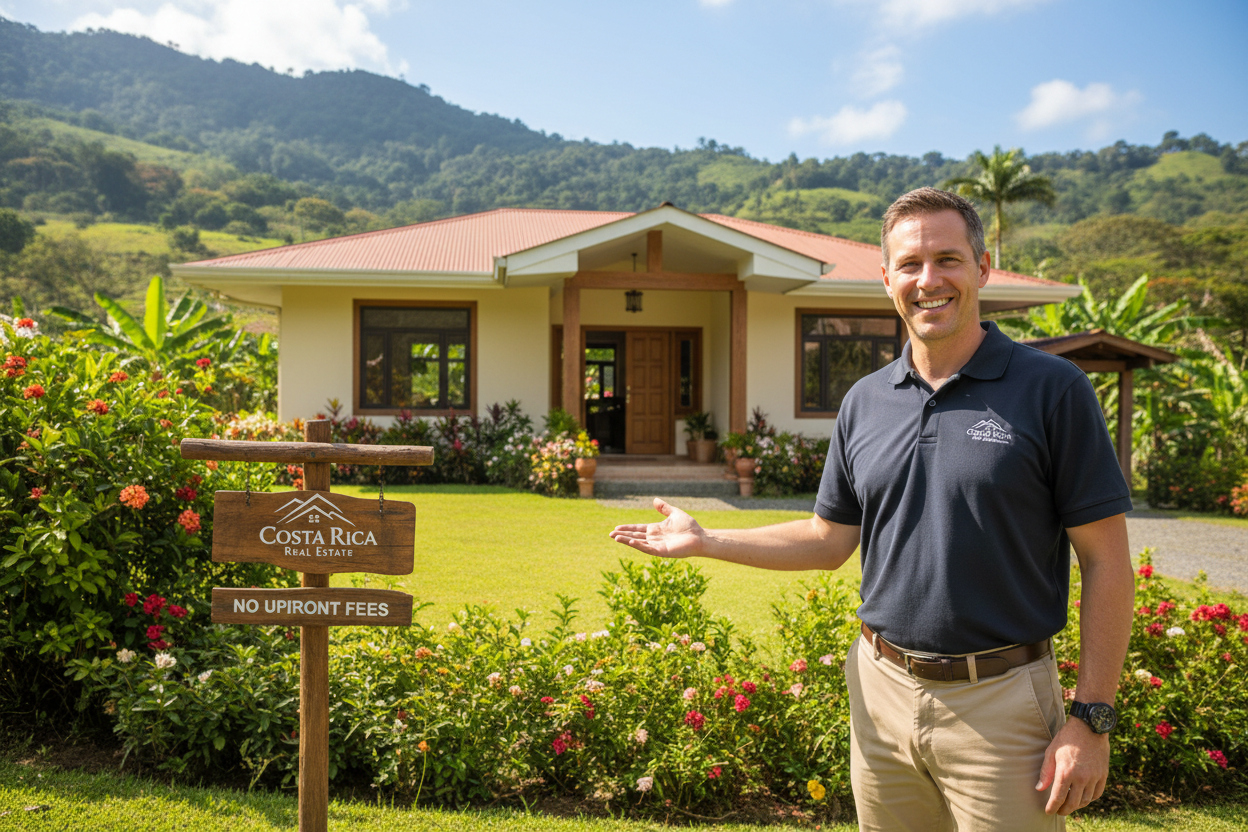
With the right plan, selling your property here is straightforward. Even rewarding. Our model means you pay no upfront marketing fees. We invest in photography, videos, and finding buyers. Our commission is paid only at closing, when funds are in your account.
For personalized guidance, contact us. WhatsApp +506 4001-6413. USA/Canada toll-free 855-562-6427. Or visit gaprealestate.com.
Introduction to the Costa Rican Home Sale Process
Understanding the real estate landscape in Costa Rica is the first step for foreign sellers aiming for a successful transaction. The system operates under civil law, not common law. There is no centralized MLS or standard forms here.
Setting the Context for U.S. and Canadian Sellers
If you’re selling a property in Costa Rica, the terminology and professional roles will feel new. A notary is a specialized attorney handling property transfers. Costs are often percentages of registered value, not flat fees.
Traditional title insurance does not exist. Instead, attorneys perform exhaustive due diligence on the property’s history. They check for liens and encumbrances before closing.
Understanding the Unique Costa Rican Real Estate Landscape
The market in Costa Rica varies dramatically by region. Coastal Guanacaste operates differently than Central Valley suburbs. Beach communities attract distinct buyer profiles compared to mountain towns.
In 2025, some luxury segments have corrected. Guanacaste saw price adjustments near 36%. This creates opportunities for sellers who price their homes competitively.
Successful sales require marketing to the right international buyer pool. Think North Americans seeking vacation homes or retirement properties.
At GAP Real Estate, we coordinate with vetted local professionals. We guide you through each phase, from listing to closing. The typical timeline spans 90 to 180 days for well-priced property.
Selling in Costa Rica is manageable with the right team. We ensure transparency every step of the way.
Understanding Closing Costs in Costa Rica
Unlike the mix of fixed and variable fees common in the US, closing costs in Costa Rica are primarily a percentage of the property’s value. Total closing costs typically run 3.5% to 4%. This is calculated on the higher of your sale price or the property’s government-assessed “registered fiscal value.”
This fiscal value prevents underreporting. It creates a transparent, predictable calculation framework for all parties.
What Sellers Typically Encounter
In Costa Rica, cost allocation is negotiable between buyer and seller. There’s no fixed rule. As a seller, your largest expense is usually the real estate commission.
You may also pay for your own legal counsel and a negotiated portion of the transfer taxes and registry fees. Knowing this helps you evaluate offers.
Comparing Costs with North American Markets
In the US or Canada, buyers often cover 2-5% in closing costs. These include loan origination and title insurance premiums. Sellers mainly pay agent commissions.
Here, attorneys perform exhaustive title research instead. The percentage-based system eliminates last-minute surprise charges. This predictability lets you accurately forecast your net proceeds from the sale.
Detailed Breakdown of Seller Expenses
A clear breakdown of seller expenses demystifies the Costa Rican real estate transaction. Knowing these costs upfront helps you forecast your net proceeds accurately.
Real Estate Commissions and Their Impact
Your largest expense is typically the real estate commission. In Costa Rica, this is usually 6% of the sale price plus a 13% Value Added Tax (VAT).
The effective total is 6.78%. For a $500,000 property, that’s $30,000 plus $3,900 VAT, totaling $33,900.
Commissions here are often higher than in North America. Without a centralized MLS, agencies invest heavily in individual marketing. This includes professional photography, drone videos, and international advertising.
At GAP Real Estate, we cover all these upfront marketing costs. You pay our commission only at closing, when the sale funds are in your account.
Legal Fees, Title Review, and Due Diligence
Hiring your own independent attorney is critical. Legal fees for sellers typically range from 1% to 2% of the sale price.
They follow a sliding scale based on value. Your lawyer reviews the purchase agreement and verifies all due diligence is complete.
Thorough due diligence protects you. It involves a clean title review tracing ownership back decades. A current survey confirms boundaries match official records.
Other checks include zoning, existing permits, HOA rules, and water source documentation. Easements, utilities, and road access are also verified.
Resolving any issues proactively keeps your sale on track. We connect you with attorneys who specialize in these transactions and understand international seller concerns.
Capital Gains Tax Considerations for Home Sellers
Many foreign sellers are surprised to learn that Costa Rica taxes the profit from real estate transactions. This capital gains tax is a silent profit eater that can catch you off guard. Planning for it is essential for accurate net proceeds calculations.
Tax Models and Exemptions for Primary Residences
Costa Rica offers two calculation models. You can pay 15% on your net gain (sale price minus purchase price and documented improvements). Or, you can choose a flat 2.25% of the total sale price.
The 2.25% rate is often better for properties with high appreciation. If your records are excellent, the 15% model might save you money.
A critical exemption exists. If the property was your primary residence for three consecutive years or more, you pay zero capital gains tax. Selling a $600,000 home you bought for $400,000 means all $200,000 in gain is tax-free.
For investment properties, you may defer taxes if you reinvest proceeds into another Costa Rican property within 12 months. Always consult a licensed tax accountant for personalized guidance on your specific situation.
Navigating Municipal and Luxury Taxes
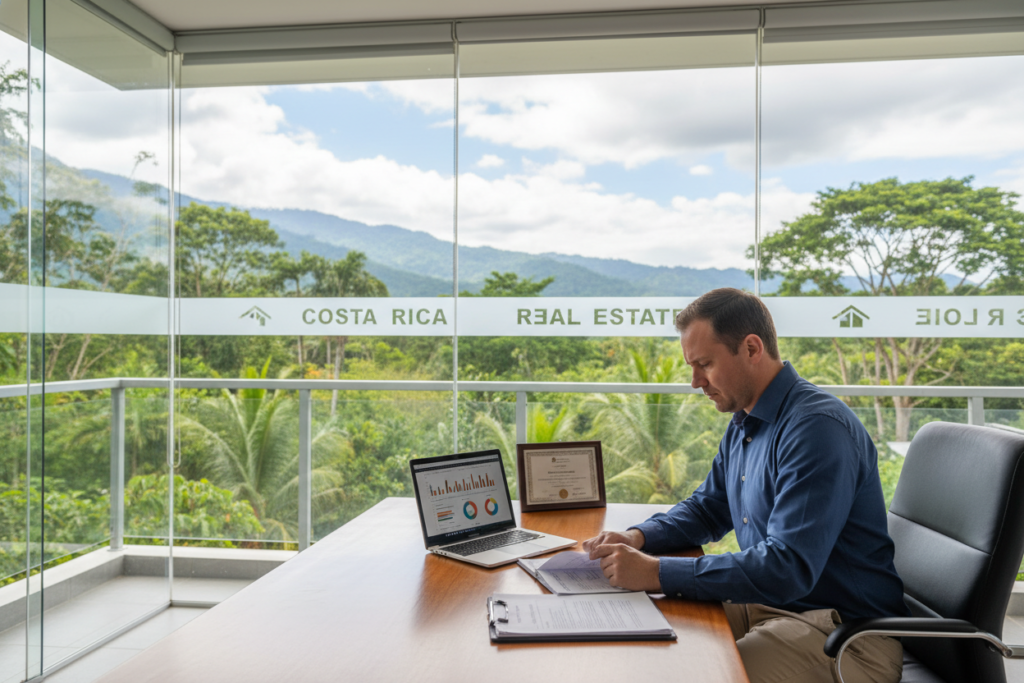
Municipal and luxury taxes are often-overlooked obligations that must be settled prior to transferring ownership. Both must be current for a smooth closing in Costa Rica.
The annual municipal property tax is 0.25% of your property’s registered fiscal value. This fiscal value is the government’s assessed number, often lower than market price. You pay it quarterly to your local municipality.
Separately, a luxury or “solidarity” tax applies to properties with a construction value exceeding about $233,900. This tax funds social housing and ranges from 0.25% to 0.55% of that construction value.
Here’s a potential complication. A buyer’s attorney may request formal confirmation your luxury taxes are current. This might require a licensed appraiser. That appraisal typically costs $500 to $1,000.
Any unpaid taxes, plus penalties, will be deducted from your sale proceeds at closing. We recommend getting a current property tax statement from your municipality before listing. Our coordinating attorneys verify this status early to prevent last-minute delays.
Step-by-Step Guide to the Closing Process in Costa Rica
Closing a real estate transaction in Costa Rica follows a clear sequence of legal and administrative steps designed to protect both buyer and seller. We guide you through each phase for a smooth transfer.
From Offer to Signing Escritura
After accepting an offer, both parties sign a formal Purchase and Sales Agreement. The buyer then places a 10% deposit into a neutral escrow account within 7-10 days.
A 21 to 30-day due diligence period follows. The buyer’s attorney verifies title, surveys, permits, and inspects the property. You provide access and requested documents during this critical phase.
The Role of the National Registry and Notary
Once due diligence is complete, you meet the notary to sign the Escritura Pública, the official deed. A vital step: confirm the buyer’s funds are physically in Costa Rica before signing.
The notary then files the deed with the National Registry. This final transfer typically takes 10-30 days. Be flexible with dates, as delays are common. If you can’t attend, a valid Power of Attorney lets a representative sign for you.
We coordinate with all local professionals to keep your closing on track.
Buyer’s Guide: costa-rican-home-sale-without-upfront-fees-with-gap-only-pay-when-sold
Smart sellers prepare by learning exactly what buyers experience during a Costa Rican property purchase. When you understand their concerns and due diligence steps, you can address issues proactively.
Exploring the Full Journey from Discovery to Closing
Serious buyers begin by researching real estate online. They compare regions like the beach, mountains, and Central Valley. They also evaluate different types of homes and investment-ready properties.
We educate buyers on realistic costs. This includes closing expenses of about 3.5% of the purchase price. These costs cover transfer taxes, legal fees, and various stamps.
We coordinate both virtual and in-person tours. This provides essential context about neighborhoods and local amenities. Our guidance helps structure competitive offers in the current market.
Today, buyers often request sellers split all closing costs 50/50. By preparing your documentation—clean title, current survey, paid taxes—you minimize their negotiation leverage. This leads to faster closings and often better offers on your property.
Strategies to Optimize Your Sale Proceeds
Maximizing your net proceeds from a property sale in Costa Rica requires a deliberate, strategic approach. It’s about more than just listing your home. You need to position it correctly in the current market.
Pre-Close Due Diligence and Price Competitiveness
Start with your price. Overpriced properties sit for years. We provide a Comparative Market Analysis (CMA) to align your asking price with 2025 realities, especially in adjusted markets like Guanacaste.
Next, tackle due diligence before listing. Resolve any title or survey issues now. Buyers use these discoveries to demand large price cuts later.
A turnkey property sells faster and for more. A modest investment in paint and repairs can yield a much higher final sale price. Our exclusive marketing ensures targeted campaigns to qualified buyers.
Consider incentives. With more cash buyers in the market, offering to cover a portion of their closing costs can secure a quick, solid offer. This strategic flexibility puts more money in your pocket.
Key Considerations for Investor-Sellers
Selling an investment property in Costa Rica introduces distinct financial and procedural considerations. If your property was not a primary residence, capital gains tax applies. You also attract a different buyer pool focused on income potential.
Many properties here are held in local corporations (S.A.). This structure impacts your sale. You can sell the property itself or the corporation’s shares.
Evaluating Investment-Ready Properties
From a buyer’s perspective, “investment-ready” means turnkey condition and clear income potential. Location near tourist areas is key. So are legal water sources and proper zoning.
Investor-buyers scrutinize rental history, operating costs, and permit compliance. They evaluate the purchase based on documented performance. Deferred maintenance reduces their offer price.
Compile your records. Income statements, management agreements, and occupancy data support a higher sale price. This documentation is crucial for a smooth transaction.
We connect investor-sellers with our network of qualified buyers. We provide education on market dynamics but never guarantee returns. Always consult licensed professionals for specific tax and legal advice related to your property sale.
The Role of GAP Real Estate in Streamlining Your Sale
At GAP Real Estate, we act as your central coordinator. We simplify the complex journey of selling your property in Costa Rica.
Our core mission is education and connection. We help sellers reach qualified international buyers.
Coordinating with Local Professionals
We are real estate professionals, not attorneys. We connect you with trusted local experts for legal and tax matters.
Our services include managing marketing, pricing analysis, and buyer vetting. We guide you from listing through closing.
We coordinate critical due diligence. This includes title review, survey verification, and zoning checks.
We also handle HOA rules, water source letters, and utility confirmations. Realistic timelines are key—expect 90 to 180 days for a smooth transfer.
How to Get in Touch
Reach out for personalized guidance. Use WhatsApp for quick questions at +506 4001-6413.
Call our USA/Canada toll-free line at 855-562-6427. You can also visit gaprealestate.com to learn more.
We offer a casual, straightforward approach. Our goal is to make your sale process understandable and manageable.
Wrapping Up Your Costa Rican Home Sale Journey
As you approach the finish line, understanding your net proceeds is the ultimate goal. Selling a property here involves distinct processes and costs, from commissions to potential taxes.
With proper planning and the right team, you can navigate this successfully. We align our success with yours—you pay no upfront marketing fees.
Ready for clarity? Contact us for a personalized net proceeds analysis and market evaluation. Reach us on WhatsApp at +506 4001-6413 or call toll-free 855-562-6427.
This guide offers general information. Always consult licensed professionals for advice specific to your real estate transaction. Your sale can be a straightforward and rewarding conclusion.
FAQ
What are the typical closing costs for a seller in Costa Rica?
Sellers in Costa Rica typically pay the real estate commission, legal fees for their own attorney, and capital gains tax. The commission is often the largest single fee. Transfer taxes and other costs are generally the buyer’s responsibility. We help you understand every potential cost upfront, so there are no surprises.
How is capital gains tax calculated on my property sale?
Capital gains tax is based on the higher of your sale price or the property’s registered fiscal value at the National Registry. A specific formula applies, but primary residences can qualify for a significant exemption. We always recommend consulting with a local tax professional to review your specific situation and potential exemptions.
What is the role of the notary in a Costa Rican closing?
The notary public is a central figure. They are a licensed lawyer who prepares the final deed (escritura), ensures all taxes are paid, and files the transaction with the National Registry. They act as a legal facilitator and guarantor for the process, making their role different from a simple notarization in North America.
Can I sell my home without paying any fees upfront?
Yes, with our model, you pay no upfront marketing or listing fees. Our commission is only due upon the successful closing of the sale. This aligns our success directly with yours and removes the financial risk of selling from your shoulders until the property is transferred.
How does GAP Real Estate streamline the sale process for foreign sellers?
We coordinate the entire ecosystem for you. We connect you with trusted local professionals—from bilingual real estate agents and attorneys to tax experts. We manage the documentation complexity and guide you through each step, from due diligence to signing at the notary, ensuring a transparent and efficient journey.