Navigating Costa Rica Real Estate Financing: Finding the Right Mortgage
You’ve fallen for Costa Rica’s natural beauty and stable lifestyle. Now, you’re facing the practical side of financing your dream property. This guide is your first step.
We’re here to walk you through the complete financing landscape. Foreign investment here grew over 20% last year. The residential market is projected to keep expanding, with prime areas seeing annual appreciation of 8 to 15 percent.
Securing a mortgage in Costa Rica as a foreigner presents unique challenges. The process differs from what you know back home. The good news? Multiple pathways exist, and we’ll explain them all.
This isn’t a sales pitch. It’s an educational resource from GAP Real Estate. We focus on transparent timelines, required down payments, and the documentation you’ll need. Our goal is to give you the knowledge for informed decisions.
We’ll also touch on the local business culture—it’s casual and relationship-driven. Understanding this rhythm is key to a smooth journey from property discovery to closing.
Introduction to Costa Rica Real Estate Financing
The surge in foreign investment into Costa Rican property is reshaping the landscape for buyers. Foreign capital inflow jumped over 20% last year alone. This signals strong international confidence in the market’s stability and potential.
Market Overview and Buyer Trends
Costa Rica’s residential real estate market is projected for steady growth. Prime areas like Guanacaste and Pacific coastal towns see annual appreciation of 8 to 15 percent. Buyer trends are driven by eco-conscious development, political stability, and robust legal protections.
Foreign buyers have the same ownership rights as citizens for titled property. This creates a secure environment for your investment.
What Makes Costa Rica an Attractive Investment?
The market offers remarkable diversity. You can find beachfront condos, gated community homes, or rural farmland. Popular hotspots like Tamarindo and Nosara provide full infrastructure for living.
This is educational content to inform your decisions. Understanding your financing options here is a critical next step. The opportunities are real, but the process requires specific knowledge.
GAP Real Estate’s Buyer and Investor Education Approach
Our mission is to transform complex real estate processes into clear, actionable steps for buyers. We provide comprehensive education so you can navigate the market in Costa Rica with confidence.
Discovering Investment-Ready Properties
We emphasize properties vetted for common issues. This saves you time and reduces surprises during due diligence. Our focus is on solid opportunities in Costa Rica.
Guidance from Discovery to Due Diligence
We guide you from initial discovery through closing. This includes virtual tours, offer strategies, and coordinating the process. Our role is educational and coordinating.
We connect you with qualified local attorneys, notaries, and escrow services. They handle legal and transactional details. We do not provide legal or tax advice ourselves.
Our model is built on transparency and a casual, relationship-focused approach. We want you to know what questions to ask. This mirrors the straightforward business culture here.
The Comprehensive Buying Journey in Costa Rica
Let’s explore the step-by-step journey we facilitate for buyers seeking their ideal property in Costa Rica. This path is designed for clarity and reduces stress.
Property Discovery and Vetting Process
Your journey starts with discovery. We help whether you’re browsing online or have a specific region in mind. Our team provides curated property recommendations.
A critical step is our vetting process. We pre-screen listings for common issues. This includes checking for title complications, zoning conflicts, or access problems. We focus on presenting you with solid opportunities.
Coordinated Tours and Offer Guidance
Next, we coordinate detailed tours. These can be virtual or in-person when you visit. We handle logistics, accompany you, and explain local market conditions.
Once you find a target, we guide your offer strategy. We help craft a competitive proposal that reflects current values. Our goal is to protect your interests from the start.
A key point is managing expectations about time. The buying process here has a different pace. What might take a week elsewhere can take a month in Costa Rica—this is normal.
Our coordination continues after your offer is accepted. We help assemble your local professional team. We keep the due diligence and closing process moving forward.
Remember, you’re never navigating alone. We are your on-the-ground partners. We understand both the foreign buyer’s perspective and the local realities of buying property costa rica.
Essential Due Diligence and Verification Steps
Due diligence is the non-negotiable foundation of any secure property purchase in Costa Rica. This phase verifies the legal and physical reality matches what you intend to buy.
Your qualified local attorney coordinates this critical process. Understanding the key steps helps you ask informed questions.
Clean Title Review & Survey/Plano Essentials
A clean title review at the National Registry is mandatory. It confirms no liens, encumbrances, or ownership disputes exist.
You must also obtain the official survey, or plano catastrado. This document confirms the property’s legal boundaries and dimensions.
Zoning, Permits, and Boundary Checks
Verify local zoning and building permits. This ensures your intended use is allowed and any existing structures are legal.
Other vital checks include HOA rules, water source verification, and easements for access. Confirm the property is current on municipal taxes.
Annual property tax here is just 0.25% of the registered value. However, any back taxes become your responsibility.
Many properties in Costa Rica are held in local corporations. Your attorney will explain the implications for liability and resale.
Expect total closing costs around 3-4% of the purchase price. This includes legal fees, a 1.5% transfer tax, and registration fees. All documentation must be translated into Spanish and properly notarized.
finding-the-right-mortgage-in-costa-rica: Exploring Financing Options
The path to securing funds for a home here involves navigating a distinct financial landscape. For international buyers, understanding the available avenues is crucial.
Traditional Bank Loans vs. Alternative Lenders
Securing a mortgage through local banks in Costa Rica can be challenging for foreigners. Approval rates for non-residents are often low. These institutions typically prefer borrowers with legal residency and local income sources.
When available, traditional loans usually demand higher down payments from international buyers. Requirements can range from 30% to 50% of the property’s value. The documentation process is also extensive, involving proof of income, credit history, and sometimes a local co-signer.
Many successful buyers explore alternative financing options. Seller or owner financing is a common and flexible path here. Other routes include international lenders specializing in overseas property.
Specific loan terms and interest rates vary widely based on your profile and the property. For tailored financing solutions, we recommend exploring specialized programs at gapequityloans.com. The right choice depends on your financial situation and investment timeline.
Preparing Your Documentation for Mortgage Approval
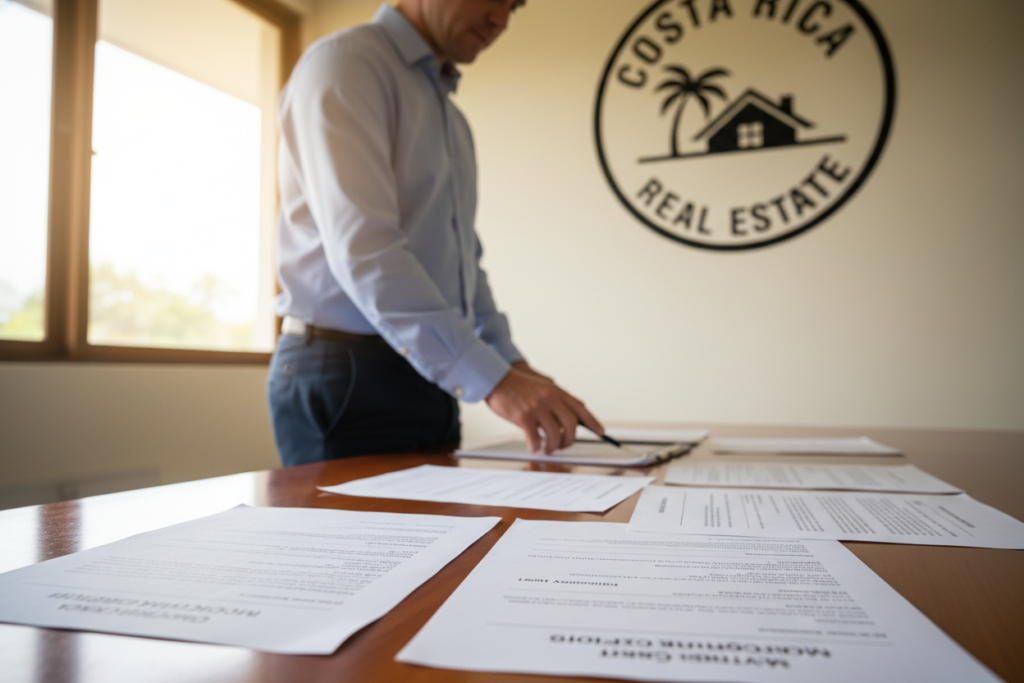
Before a lender in Costa Rica can say ‘yes,’ they need to see a clear, translated picture of your financial life. This step is foundational. Getting your paperwork organized from the start prevents frustration later.
Required Financial and Legal Documents
Expect to provide extensive proof of your financial stability. Banks and other lenders typically request 6 to 12 months of bank statements. They also want 2-3 years of tax returns and detailed proof of income.
This includes pay stubs, employment letters, or CPA-certified statements if you’re self-employed. A comprehensive credit report from your home country is also standard. You’ll need your valid passport and proof of your current address.
Virtually all this documentation must be translated into Spanish by a certified professional. Many documents also require notarization or an apostille for authentication. This is a non-negotiable part of the process in Costa Rica.
Set realistic expectations for the approval timeline. What might take a week elsewhere can easily take a month here. This reflects the more relaxed, “Pura Vida” pace of business.
Patience is essential. Working with bilingual professionals who understand local requirements is invaluable. Their guidance in compiling and submitting your file can significantly improve your chances for mortgage financing success.
Buyer Tips for Navigating Down Payments and Fees
One of the most critical financial steps for buyers is understanding the full cash outlay required. Your budget must account for more than just the purchase price.
Realistic Down Payment Expectations
Foreign buyers should plan for a down payment of 30% to 50% of the property value. This is higher than standards in many other markets.
It reflects the perceived risk for lenders in Costa Rica. Seller or developer financing often requires 50% or more upfront.
Understanding Closing Costs and Associated Fees
Closing costs typically add 3% to 4% to your total cash requirement. This includes a 1.5% transfer tax and legal fees of 1.25% to 2% of the price.
Registration and notary fees are also part of these transaction costs. Budget for ongoing expenses like the 0.25% annual property tax.
Successful buyers calculate all fees from the start. This ensures you have the funds ready for a smooth purchase process.
Coordinating with Local Experts for a Smooth Transaction
A successful property transaction in Costa Rica hinges on a well-coordinated team of local experts. We at GAP Real Estate focus on assembling and managing this team for you. Our role is coordination, not legal counsel.
Role of Attorneys, Notaries, and Escrow Services
Your licensed Costa Rican attorney, who also serves as a notary public, is legally mandated to oversee the closing process. They verify the title, prepare transfer documentation, and register the property with the National Registry.
This professional acts as your legal protector throughout the transaction. They conduct thorough due diligence, confirm local zoning, and ensure all tax obligations are current. Escrow services provide additional security by holding funds securely until all contractual conditions are satisfied.
Legal fees for these comprehensive services typically range from 1.25% to 2% of the purchase price. It is crucial to select an attorney with specific experience handling foreign buyer transactions and who communicates effectively in English.
We connect you with these trusted professionals but do not provide legal or tax advice ourselves. Maintaining clear and consistent communication with your entire team is essential for a smooth and successful transaction.
Evaluating Ownership Structures and Investment Strategies
Choosing how to legally hold your new property is a strategic decision with long-term consequences. We educate buyers on the two primary paths: personal ownership or holding title through a Costa Rican corporation, known as a sociedad anónima (S.A.).
Corporate vs. Personal Ownership Considerations
Many existing properties are already held in corporations. Sellers often prefer to transfer corporate shares rather than the deed itself. This can simplify future resale but requires thorough due diligence on the corporate records.
Corporate ownership offers potential advantages. These include liability protection, privacy, and estate planning flexibility. However, it introduces annual filing fees and accounting compliance costs.
Your investment strategy guides this choice. Planning to generate rental income? A corporation might be beneficial. Buying a personal vacation home? Direct ownership could be simpler.
Remember, a real estate investment of $150,000 or more can qualify you for residency. This may influence your structure. We provide this education so you can discuss options with your qualified legal and tax advisors.
Embracing a Casual Costa Rican Business Approach
The ‘Pura Vida’ ethos profoundly influences how business is conducted in Costa Rica. This relaxed approach to life extends seamlessly into Costa Rican professional transactions. For foreign buyers, adapting to this culture is as important as understanding the legal process of buying property.
Transparent Processes and Realistic Timelines
Forget formal suits and rigid corporate schedules. The business environment here is casual and relationship-driven, especially in real property transactions. Building trust with your attorney, agent, and other professionals is paramount.
This focus on relationships affects timelines. A process that might take a week in the United States could easily take a month in this country. This isn’t inefficiency. It’s a different pace that values thoroughness over speed.
Patience is not optional; it’s essential. Stressing over delays can actually slow things down. Successful buyers adapt to ‘Tico time’ when navigating property acquisitions. We set transparent, realistic expectations from the start for a smoother experience.
Investor Education and Overcoming Financing Challenges
For many foreign buyers, the financing phase is where the dream of Costa Rican property ownership meets its most practical test. The obstacles are common, not unique to you. Investor education is about understanding these hurdles upfront.
Tips for Navigating Common Financing Obstacles
Typical challenges include no local credit history and difficulty verifying foreign income. Residency status can also limit your options with traditional banks.
Your best strategy is flexibility. Explore multiple avenues simultaneously. This includes local banks, international lenders, and seller financing. Don’t limit yourself to one path.
A larger down payment, often 50% or more, significantly reduces perceived lender risk. It can make seller financing more attractive. Working with specialized mortgage brokers and bilingual attorneys is crucial.
Alternative loans may come with higher interest rates. This is a trade-off for accessibility. For specific solutions tailored to foreign buyers, exploring resources like gapequityloans.com is a smart step. Success comes from preparation and professional guidance.
Final Steps: Charting Your Path to a Successful Costa Rican Mortgage Journey
With the knowledge from this guide, you’re now equipped to navigate the final stages of securing your mortgage. Financing property in Costa Rica as a foreign buyer has distinct challenges. Yet multiple pathways exist when you understand your options.
Your journey starts with education. We at GAP Real Estate provide that guidance and coordination from discovery to closing. We connect you with qualified local attorneys and lenders for specific advice.
Take the next step. Explore investment-ready properties on our site. Reach out to discuss your situation. Start gathering your financial documentation.
Contact us via WhatsApp at +506 4001-6413 or call 855-562-6427. Visit gaprealestate.com to begin. Costa Rica offers remarkable real estate opportunities for informed, prepared buyers. We’re here to help you become one.
FAQ
Can foreigners get a mortgage from a local bank in Costa Rica?
Yes, foreigners can secure financing from Costa Rican banks like BAC Credomatic or ScotiaBank. The process is stringent, requiring proof of stable income, a strong credit history, and residency documentation. Approval often hinges on the property’s appraised value and the buyer’s debt-to-income ratio. We help clients understand these requirements and prepare their financial package.
What are typical interest rates and terms for a mortgage here?
Interest rates for property loans are generally higher than in North America or Europe, often ranging from 8% to 12% for foreigners. Loan terms typically max out at 15-20 years, with a required down payment of 30-50% of the purchase price. These conditions reflect the perceived risk in the local market and the bank’s underwriting standards.
What documentation is needed to apply for financing?
You’ll need to provide comprehensive documentation. This includes proof of income (tax returns, pay stubs), bank statements, a copy of your passport, and sometimes a credit report from your home country. For the property, the bank will require a formal appraisal and a review of the registered title. We guide you in compiling this dossier correctly.
How long does the mortgage approval process take?
Be prepared for a longer timeline. From application to final approval with a local bank can take 3 to 6 months. This includes time for property appraisal, risk assessment, and internal committee reviews. Setting realistic expectations from the start helps prevent frustration during your property purchase journey.
What are the main closing costs I should budget for?
Beyond your down payment, buyers must budget for closing costs, which typically add 4% to 6% to the property’s price. These include transfer tax, legal fees, notary charges, and registration costs. We provide a detailed breakdown early in the process so there are no surprises at the closing table.
Are there alternative financing options besides traditional banks?
Absolutely. Many buyers explore alternatives like seller financing, where the property owner acts as the lender, or private lending from investment groups. These options can offer more flexible terms and a faster process, though the interest rates may be different. We help you evaluate all viable paths based on your financial profile.
Is it better to buy property in a corporation or in my personal name?
This depends on your investment strategy and asset protection goals. A corporation can offer liability separation and potential tax benefits. Personal ownership is simpler but offers less protection. We recommend consulting with a local attorney to choose the right ownership structure for your specific situation and long-term plans.