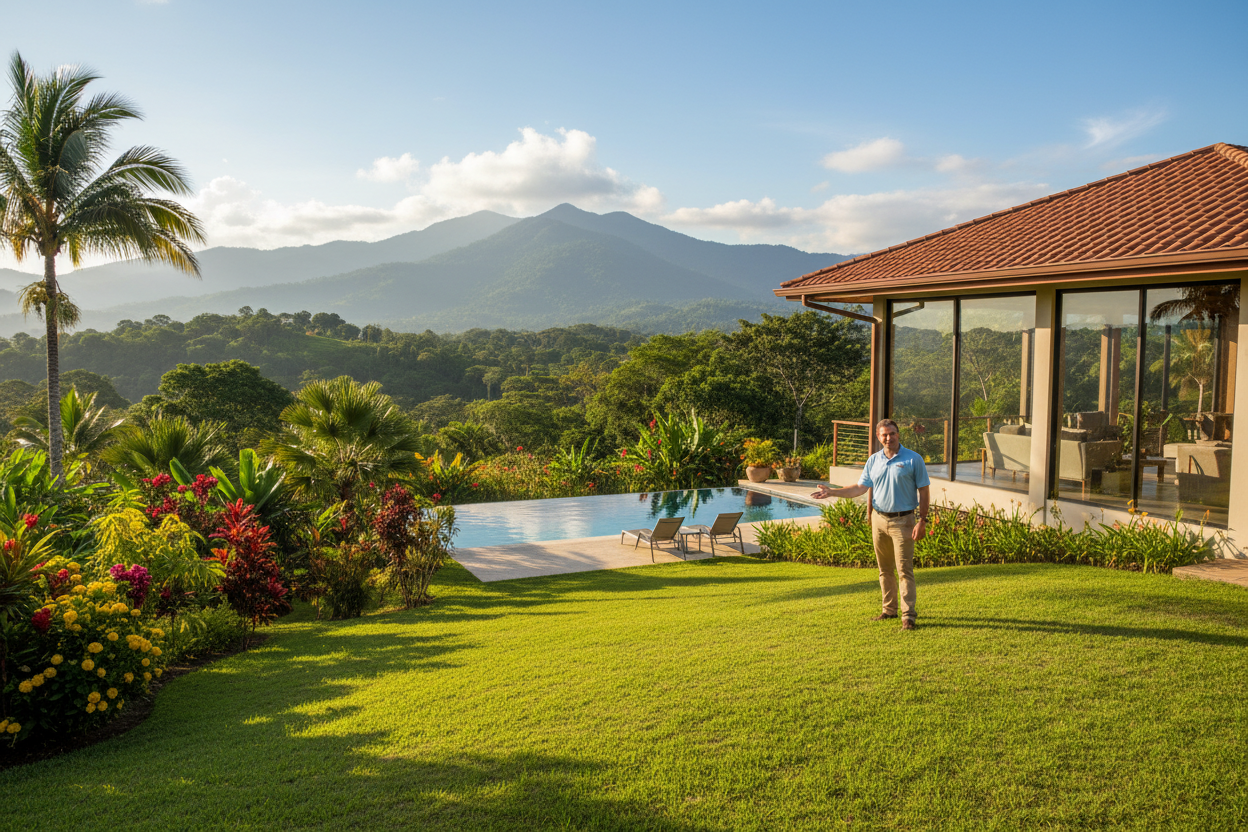
Insider Tips for Buying Real Estate in Costa Rica
Welcome! Considering a property investment in Costa Rica is exciting. We understand the mix of enthusiasm and natural questions you might have.
We’re GAP Real Estate. Think of us as your educational partner. Our goal is to demystify the market—not overwhelm you with jargon.
This guide provides information only. We are not offering legal or tax advice, nor making guarantees about outcomes.
Our role is to help. We assist with discovery, vetting, and tours. We guide your offer strategy and coordinate due diligence and closing with local professionals.
Costa Rica’s real estate process has unique aspects. Terms like “Maritime Zone” and specific due diligence protect your investment when understood.
The country combines natural beauty with political stability. Foreigners enjoy constitutional property rights equal to citizens for titled land.
This article is your roadmap. We’ll cover ownership structures, closing costs, and building your local team. With the right guidance, the process is transparent and manageable.
Understanding the Costa Rican Real Estate Landscape
One of the first questions we hear from prospective buyers is about legal ownership in Costa Rica. The answer is a clear yes. Foreigners have the same constitutional rights as local citizens to own titled property.
These laws are not a temporary favor. They have provided security for international investors for years. This stability is a key part of the country’s appeal.
Foreign Ownership Rights and Legal Protections
Fee simple ownership is the standard here. It means you hold absolute rights to your land. You can sell, lease, improve, or pass it to heirs.
Every titled property is recorded in the National Registry. This transparent system lists ownership history and boundaries. It is accessible online for verification.
Fee Simple Ownership Versus Concession Property
Not all coastal land is titled. The Maritime Zone involves 20-year government concessions. These leases cover the area beyond the public beach.
Concession property has more regulations. It limits majority foreign ownership and complicates financing. For most buyers, fee simple titled land offers simpler security.
You can hold property in your name or through a local corporation. Both are sound options under Costa Rican law. We’ll explore the best structure for you later.
Starting Your Property Search and Discovery Journey
The first step in finding your ideal Costa Rican property is defining your personal goals. Are you seeking a retirement home, a vacation getaway, or a rental investment? Your “why” shapes your entire search.
This initial discovery phase saves significant time and money. We help you clarify objectives before you look at a single listing.
Key Considerations for Initial Research
Your primary goal determines location priorities and property type. Costa Rica’s micro-markets differ greatly. The Pacific coast, Central Valley, and Caribbean coast offer unique climates and communities.
Consider practical factors like road access, internet quality, and proximity to airports. Visiting during the rainy season provides a full picture of an area. Define a clear budget with room for currency fluctuations.
Exploring Investment-Ready Properties
We showcase investment-ready properties. These are listings we’ve vetted for clear title and realistic pricing. They possess strong fundamentals for long-term value.
The local market has seasonal trends and varying price points. An experienced agent provides crucial insight into true market conditions. This knowledge helps you identify genuine opportunities and avoid overpaying.
Thorough research with a professional guide is your best first move in Costa Rica.
Conducting Clean Title Reviews and In-Depth Surveys
The cornerstone of a secure property purchase in Costa Rica is a meticulous review of the title and a precise land survey. This step is non-negotiable for protecting your investment.
We verify you are buying exactly what the seller claims to own.
Verifying Title Documentation and Boundaries
Your attorney obtains the informe registral from the National Registry. Think of this title certificate as the property’s complete legal biography.
It shows current and past ownership. It also lists any mortgages, liens, or encumbrances attached to the land.
Pay special attention to easements, called servidumbres. These are legal rights allowing others to use portions of your land for access or utilities.
The Importance of Survey Plans and Planners
Every titled property has a registered survey map, the plano catastrado. This official document defines the exact boundaries and dimensions.
A professional topographer must verify this map matches physical reality. They mark the corners on the ground and confirm legal access points.
For sloping lots, they assess drainage and buildable areas. This survey, costing $800 to $2,000, is a crucial investment.
It prevents expensive boundary disputes and ensures the terrain is suitable for your plans.
Evaluating Zoning, Permits, and HOA/Condo Rules
Understanding what you can *do* with a property is as important as loving the land it sits on. Local regulations and community rules form the invisible framework for your estate.
Understanding Zoning Regulations and Permits
Zoning isn’t just red tape. It determines if you can build a home, operate a rental, or run a business. Your attorney checks municipal records to confirm the designation.
You must also verify permits for any existing structures. Unpermitted additions can cause issues with insurance or resale. Ensuring everything is legal protects your investment.
Reviewing Community and HOA Guidelines
For properties in planned developments, review the HOA or condominium bylaws. Think of these as the community’s rulebook. They often cover short-term rentals, pets, and architectural standards.
In Costa Rica, “condominium” has a broad meaning. It applies to gated communities of single-family homes, not just multi-unit buildings. All are governed by registered restrictions.
Always review the HOA’s financial health. Check for planned special assessments or large projects. This prevents surprise fees after you purchase.
real-estate-buying-tips-in-costa-rica-expert-guide
Our insider perspective transforms the Costa Rican property buying process from a complex challenge into a manageable journey. It isn’t complicated when you understand what makes it different.
Unique terminology and specific documentation exist for good reasons. They protect your investment.
Our role goes beyond showing you listings. We coordinate your entire due diligence process. This connects you with vetted local attorneys, topographers, and inspectors.
Realistic timelines are key. From accepted offer to closing typically takes 30 to 60 days. This allows for thorough verification steps that safeguard your purchase.
Critical checks include water source documentation from ASADA or AYA. We also verify utility access, road quality, and municipal tax status.
These insider tips come from years of real experience. We guide you through what works, what causes delays, and what protects your estate in Costa Rica. Our expertise ensures a transparent and secure transaction.
Coordinating Due Diligence and Closing Processes
Successfully navigating the due diligence and closing stages requires clear coordination and trusted local expertise. We guide this entire procedure so you’re never navigating alone.
Collaborating with Attorneys and Notaries
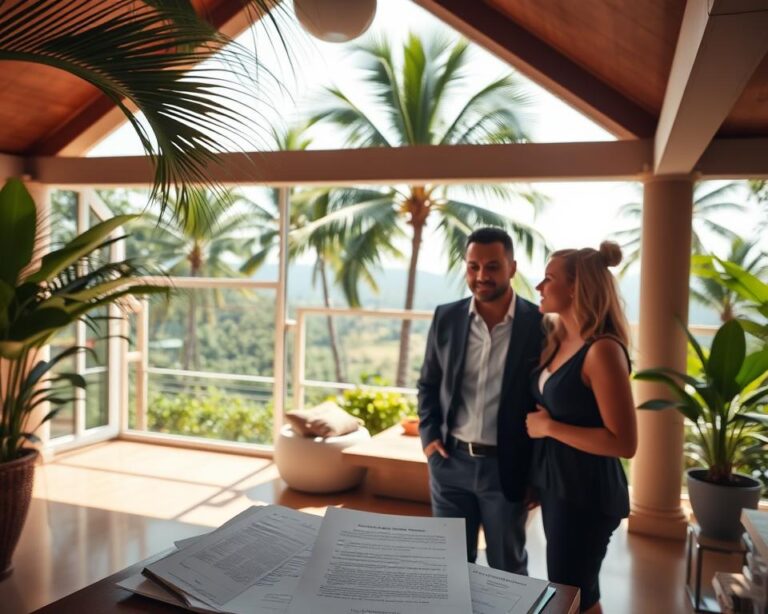
In Costa Rica, your attorney also acts as a notary public. This professional conducts vital checks during the 30 to 60-day due diligence period.
They verify the property title, confirm tax status, and check for liens. They also review survey plans and utility access. Their role ensures the transaction complies with local law.
Managing Escrow Services and Registry Filings
Your funds are protected in a regulated escrow service. Think of it as a secure, neutral account. The initial deposit is wired there when the agreement is signed.
The balance follows before the closing. Funds release only after the deed is signed and submitted for registry recording. This escrow process safeguards both buyer and seller.
The final transfer becomes official once recorded in the National Registry. We coordinate each step with the professionals on your team.
Exploring Financing Options and Payment Procedures
When exploring how to fund your purchase, you’ll find the landscape differs from what you may expect. Most international buyers complete their transactions with cash. Several financing options do exist for those who need them.
General Overview of Financing Without Guarantees
Costa Rican banks offer loans to foreign buyers. The requirements are stringent, often needing a 40-50% down payment and extensive income proof.
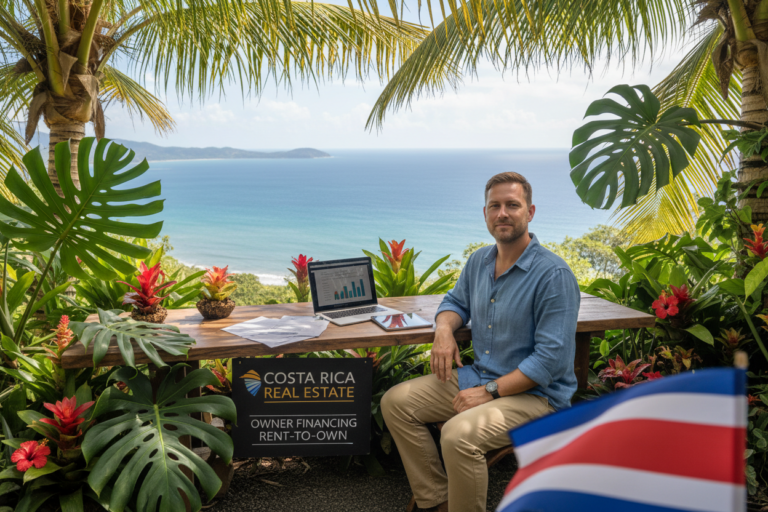
Seller financing is another path. Here, the seller provides partial credit for the purchase. This can be a flexible solution when available.
Many buyers use equity from their home country. They refinance existing assets to fund their Costa Rica investment.
Additional Financing Insights and Referral to gapequityloans.com
We do not provide financing ourselves. All decisions are between you and your financial institution.
For detailed information, visit gapequityloans.com. They specialize in options for property here.
Any financed purchase requires a professional appraisal. This confirms the fair market value for lenders.
Plan international wire transfers carefully. Account for bank fees and daily exchange rate changes. These affect your final price and timeline.
Budgeting for Closing Costs, Taxes, and Ongoing Fees
Costa Rica’s property costs are straightforward when you know what to expect from closing to annual fees. We provide transparent numbers upfront so you can budget accurately. There are no hidden surprises when working with experienced professionals.
Breakdown of Typical Closing Costs and Municipal Taxes
Closing costs typically total 4.5-5% of the purchase price. This covers transfer tax at 1.5%, registry fees, and legal fees. Buying through a local corporation can reduce these costs significantly.
Annual property tax is a modest 0.25% of the registered value. For a $200,000 property, that’s just $500 per year. Higher-value properties pay an additional luxury tax of 0.35% on amounts over approximately $204,000.
Budget for ongoing expenses like insurance at 0.3-0.8% of property value. HOA fees vary by development. Rental properties require management fees of 20-30% of rental income.
Always maintain a contingency reserve of 5-10% of the property’s value. Costa Rica’s tropical climate demands regular maintenance. This reserve provides essential peace of mind for unexpected repairs.
Insider Insights on Short-Term Rentals and Investment Potential
Short-term rental legality in Costa Rica is not universal—it hinges on local zoning and community rules. Some municipalities actively encourage tourism rentals. Others, especially residential communities, prohibit stays under 30 days.
Verifying this during your due diligence is critical. Assuming you can rent based on online listings is a common mistake for new investors.
Assessing Profitability in Popular Rental Zones
Location drives success in this market. Properties within walking distance to a beach or popular attractions command higher rates and better occupancy.
Consider the property layout and amenities. A home with a lock-off suite or separate entrance can host multiple groups. Reliable internet, air conditioning, and good road access are non-negotiable for guest satisfaction.
Comparative Considerations for Ownership Versus Leasing
Professional management is essential. Fees typically range from 20% to 30% of gross rental revenue. This covers guest communication, cleaning, and maintenance coordination.
Additional operational costs include utilities, linen service, and increased insurance. You must also comply with local tax laws. This requires a business license and collecting VAT on short stays.
Think of it as running a small hospitality business. With the right setup and management, it can be a solid investment over time. It is not, however, a completely passive income stream in Costa Rica.
Building Your Expert Buying Team in Costa Rica
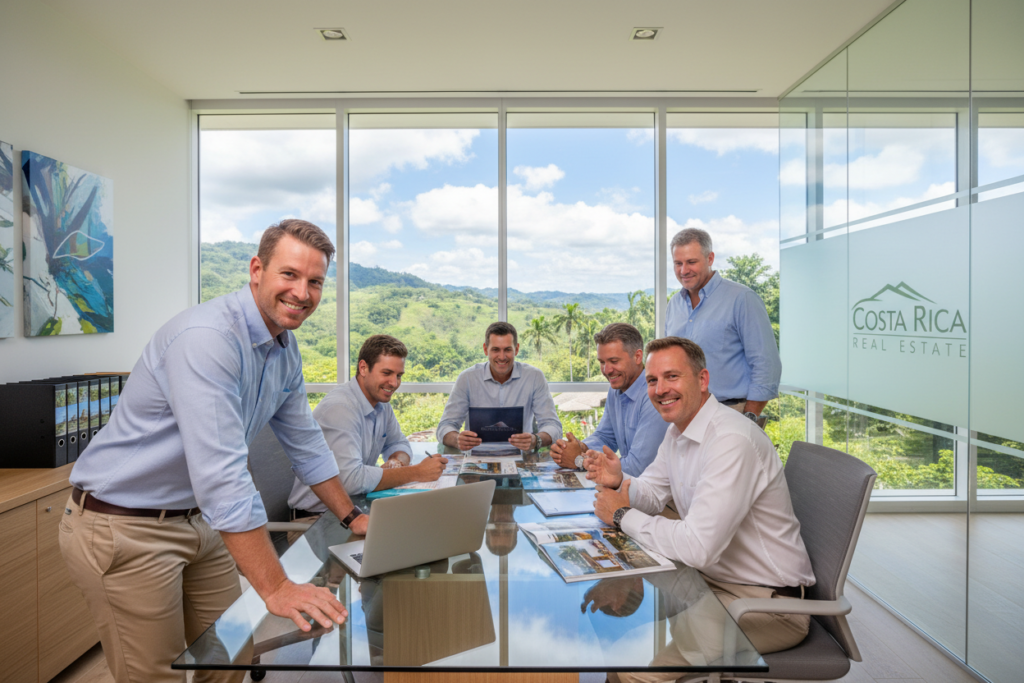
Assembling a skilled local team transforms a complex process into a coordinated, manageable journey. You are not alone in this.
Your real estate agent is your primary advocate. We connect you with vetted Costa Rican professionals we trust. Our service includes discovery, market analysis, and guiding your offer.
Roles of Real Estate Agents, Inspectors, and Accountants
We coordinate the entire due diligence process. This includes your attorney/notary, who verifies title and prepares the deed.
A topographer confirms physical boundaries match the official survey. A home inspector provides a detailed report on the property’s condition.
For buyers planning to rent, an accountant explains tax obligations. An insurance broker secures proper coverage. Every professional should provide written deliverables.
Our expertise ensures this team works seamlessly for you. We answer your questions and manage communications. This collaborative approach protects your investment from start to finish.
Final Thoughts for a Secure Property Purchase in Costa Rica
Your journey to owning property in Costa Rica culminates with confidence when you follow proven steps. Foreign buyers enjoy full constitutional rights here. This legal security forms the foundation of a straightforward process.
Success hinges on thorough due diligence. Always verify the title and survey. Confirm zoning rules and utility access before you commit.
Budget for all closing costs and ongoing fees. Plan for a 30 to 60-day timeline from offer to closing. This period allows for the essential checks that protect your investment.
We provide the education and coordination you need. Our team connects you with trusted local professionals. You are never navigating this alone.
Ready to start? Contact us via WhatsApp at +506 4001-6413. Call our USA/Canada toll-free line at 855-562-6427. You can also visit gaprealestate.com to explore listings.
With proper preparation and the right team, your Costa Rica real estate goals are entirely achievable. Many have done it before you, and you can too.
FAQ
Can foreigners really own property in Costa Rica?
Yes, absolutely. Foreigners have the same ownership rights as Costa Rican citizens under the country’s laws. You can own property outright with what’s called “fee simple” title, which gives you full and permanent ownership. This security is a major reason why investors feel confident here.
What is the most critical step in the buying process?
Conducting a thorough title review is paramount. We work with your attorney to verify the property’s history at the National Registry, ensuring there are no liens, encumbrances, or ownership disputes. A clean title is the foundation of a secure investment.
Are there hidden costs I should budget for?
Transparency is key. Beyond the purchase price, you must budget for closing costs, which typically range from 1.5% to 2% of the sale price. These include transfer taxes, legal fees, and registry expenses. We provide a clear breakdown upfront so there are no surprises.
How important is a property survey?
It’s essential. A certified survey plan, created by a licensed topographer, confirms the exact boundaries and size of the land. This prevents future disputes with neighbors and ensures what you’re buying matches the official description in the title.
What should I know about zoning and permits?
Always verify local zoning regulations and any required construction permits before you buy. This due diligence confirms your intended use—whether for a home, rental, or development—is legally allowed. It protects you from costly corrections or fines later.
Do I need a local attorney to buy property?
Yes, it is highly recommended and standard practice. A reputable local attorney fluent in Spanish and Costa Rican property law will handle your title search, contract review, and registry filings. They are your primary legal shield throughout the transaction.
How long does the closing process usually take?
From offer to final registration, the process typically takes 4 to 8 weeks. The timeline depends on the complexity of the title review, speed of due diligence, and efficiency of the notary public. A well-coordinated team helps avoid unnecessary delays.
What are the ongoing costs of property ownership?
You’ll pay an annual municipal property tax, which is very low—usually just 0.25% of the declared value. If your property is part of a homeowners association (HOA) or condo, you will also have regular maintenance fees. We help you understand all recurring expenses.