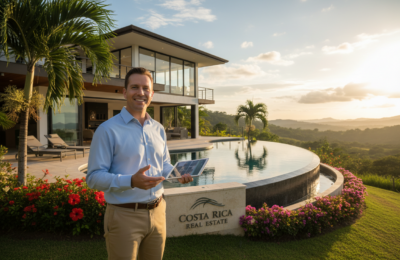

GAP Real Estate: Your Guide to Hassle-Free Costa Rica Home Buying
Purchasing property in Costa Rica can feel overwhelming. The system is different here. There’s no nationwide MLS like Zillow. Real estate agent regulations are less strict than in North America.
Foreign investment here has surged over 30% in three years. The good news? Foreign buyers have the same ownership rights as locals on titled land. You just need the right guide.
That’s where we come in. GAP Real Estate exists to simplify the process. We provide clear, honest education for buyers and investors. Our goal is to help you make informed decisions without stress.
We’re upfront about our role. We offer information and guidance—not legal or tax advice. You’ll work with licensed local professionals for those critical steps. Think of us as your trusted partner on the ground.
Our style matches the local business culture. It’s professional but conversational. Expect beach meetings and WhatsApp chats, not suits and ties. We’ll walk you through finding investment-ready properties, vetting them, and making smart offers.
We also connect you with local attorneys, notaries, and surveyors. They handle due diligence and closing. You’ll get realistic timelines and transparent cost explanations. Let’s begin your journey.
Understanding the Costa Rica Real Estate Landscape
Costa Rica’s property market presents a dynamic landscape shaped by global interest and local charm. Over the past three years, foreign investment here has surged by more than 30%. This trend reflects a growing appetite for the country’s stable politics, natural beauty, and welcoming laws for international buyers.
Market Overview and Local Trends
The overall market is often considered favorable for buyers. You can frequently negotiate below the asking price. However, some high-demand coastal spots have seen tighter inventory and rising values in recent years.
Infrastructure upgrades are a key trend. Better highways and reliable internet, even in remote places, have opened up new areas. This makes previously secluded properties much more accessible for living or investment.
Insights into Coastal and Inland Areas
Coastal areas like Tamarindo, Nosara, and Samara remain hugely popular. They offer strong rental demand from tourists and long-term residents seeking a beach lifestyle. These regions attract a significant portion of foreign investors.
Inland and mountain properties provide a different appeal. They feature cooler climates, lush jungle settings, and a quieter pace. These areas often have lower price points and unique potential for eco-friendly projects.
We help you understand these market dynamics. Our local expertise is crucial since Costa Rica lacks a centralized MLS system. Property availability and pricing can vary greatly by region.
Navigating Discovery: Finding Investment-Ready Properties
Uncovering investment-ready real estate in Costa Rica isn’t about browsing a single website. There’s no national MLS or Zillow here. The available inventory is fragmented across many local sources.
We help you cut through the noise. Our focus is on presenting properties that meet clear standards for legal standing and location value. This saves you time and reduces risk from the start.
Leveraging Local Expertise
Real estate agents here typically cover specific geographic areas. A great agent in one town may know little about the next valley. This hyper-local focus is key.
We connect you with knowledgeable professionals in your target region. They have the community ties and experience to find opportunities that never appear online. Not all agents are licensed, so we vet for proven track records.
Online and Offline Property Searches
Company websites show only a fraction of available properties. Lower-priced homes and off-market deals are often shared through personal networks. Online info can also be outdated.
We combine digital tools with boots-on-the-ground intelligence. This approach uncovers the full range of options. It turns a confusing search into a streamlined discovery process tailored to your goals.
Steps Throughout the Home-Buying Process in Costa Rica

We break down the Costa Rica property acquisition process into manageable steps for clarity and confidence. Our guidance transforms what could feel complex into a straightforward journey.
Discovery, Vetting, and Property Tours
Discovery begins with understanding your goals. We then match them with investment-ready real estate options using our local expertise.
Vetting comes next. We perform preliminary checks on legal status and pricing before you visit. This saves time by filtering out properties with obvious issues.
Property tours are essential. We coordinate visits so you can physically walk the land. You’ll assess neighborhoods, check utilities, and feel if a place fits your vision.
Offer Guidance and Coordinating with Local Experts
When ready, we help structure your offer. This typically starts with a letter of intent stating your proposed price. It includes an earnest money deposit, usually around 10% of the purchase price.
The seller may counteroffer. We guide you through this negotiation until both parties agree. We connect you with a qualified local attorney before finalizing any offer.
After acceptance, we coordinate with your attorney, notary, and escrow company. Our role ensures smooth transitions between each phase. You always know who’s responsible for what comes next.
The Ultimate home-buying-in-costa-rica-simplifed Guide
Consider this your master blueprint for a successful Costa Rica property purchase. We’ve structured this reference to match the actual sequence of a transaction here.
The purchase process follows a predictable path, typically spanning 30 to 60 days. It starts with a formal offer and moves through escrow, due diligence, and final registration.
You’ll learn what to expect at each stage. We cover the essential checks that protect buyers, like title verification and zoning. Financial clarity on costs and fees is also provided.
This guide offers honest insight into how transactions unfold. It prepares you to move forward with confidence. The following sections will explore each phase in detail.
Due Diligence Essentials: Clean Title, Survey, and Zoning Checks
Thorough due diligence is the non-negotiable step that protects your investment and peace of mind. This deep-dive investigation confirms a property is legally clean and physically sound. We coordinate this entire process with local professionals to ensure nothing is overlooked.
Clean Title Review and Boundary Verification
The foundation is a clean title review. Your attorney obtains a title certificate (informe registral) from the National Registry. This document confirms ownership and reveals any liens, mortgages, or encumbrances attached to the property.
You need a title that’s free and clear. Boundary verification is equally critical. A licensed surveyor checks that the official Plano Catastrado matches the physical property boundaries on the ground.
Zoning, Permits, and Plano Requirements
Next, zoning and permit checks are essential. They confirm the property’s use is legal under local codes. Any existing structures must have proper building permits.
Unpermitted construction is a major liability. For sloped or coastal lots, a topographical survey is also wise. It assesses terrain suitability, drainage, and slope stability for building.
This comprehensive due diligence is your safety net. It verifies the property is exactly as represented, with no hidden legal or physical problems.
Understanding Financial and Legal Considerations
Your journey to owning property in Costa Rica hinges on two pillars: sound financial planning and robust legal support. We provide clear guidance on both fronts while emphasizing our role. We coordinate with professionals but don’t give legal or financial advice.
General Financing Options and GAP Equity Loans Reference
Financing options for your Costa Rica purchase vary widely. Many buyers use cash or leverage equity from their home country. Others explore private loans or seller financing arrangements.
Local banks often require substantial down payments and thorough income documentation. We keep our overview general because specific programs change. If financing interests you, we can refer you to gapequityloans.com for tailored solutions.
Legal Insights: Attorney, Notary, and Escrow Coordination
Costa Rican law requires a licensed Notary Public for every real estate transaction. This professional is an attorney with special certification. They draft the transfer deed and handle registration.
Your personal attorney conducts due diligence and reviews contracts. An escrow company holds your funds securely until closing. This protects both parties during the purchase process.
We coordinate closely with your attorney, Notary, and escrow provider. Our goal is seamless communication and proper documentation. You’ll always know who handles each step of your transaction.
Ensuring Transparency: HOA Rules, Easements, and Utility Access
The final layer of due diligence examines the practical factors that will shape your daily life and the property’s future value. We focus on transparency for HOA regulations, utility access, and recorded easements. These details directly impact your quality of life and resale potential.
Reviewing HOA/Condo Rules and Municipality Guidelines
If your property is in a condominium or gated community, review the HOA or condo bylaws carefully. These documents outline fees, rental restrictions, pet rules, and maintenance duties. They may also reveal upcoming special assessments.
Request recent HOA financial reports and meeting minutes. This reveals the community’s fiscal health and any disputes. Also, check local municipality guidelines. They govern what you can build or how you can use the land.
Assessing Water Sources and Utility Infrastructure
Water access is non-negotiable. You must obtain a valid water availability letter from the local ASADA or national AYA authority. This confirms legal, reliable service for your property.
Verify all other utilities too. Check that electrical and septic connections are in place and legally permitted. Assess road access and internet availability. Your surveyor and attorney will also confirm any easements (servidumbres) for access or utilities across the land.
We coordinate these checks during your due diligence. Our goal is to ensure you have complete information, with no hidden restrictions, before closing.
The Role of Local Professionals in Your Purchase Journey
Your peace of mind during the transaction hinges on the expertise of several licensed local specialists. A smooth purchase relies on a coordinated team, each with a distinct, essential role.
Connecting with Attorneys and Notaries
Your attorney is your primary advocate. Hire them before making an offer. They conduct due diligence, review contracts, and protect your interests.
The Notary Public drafts the final transfer deed. This licensed attorney submits it to the National Registry. This legal step officially records your ownership.
Partnering with Surveyors and Escrow Companies
A licensed surveyor verifies property boundaries and zoning compliance. They ensure the official map matches the physical land.
An escrow company, like Secure Title Latin America, holds your funds securely. They release payment only at closing. This provides vital protection for international buyers.
We connect you with these reputable professionals and coordinate their work. Remember, we provide guidance and connections—not legal advice. These licensed experts handle that critical part of your journey.
Managing Closing Costs, Taxes, and Additional Fees

Budgeting accurately for your Costa Rica purchase means looking beyond the listed price. We provide complete transparency on all financial obligations from the start. This ensures realistic planning with no surprises.
Breakdown of Closing Expenses and Tax Considerations
Your total closing costs typically range from 3% to 5% of the purchase price. This covers the government transfer tax (1.5%), notary fees, National Registry stamps, and escrow services.
Notary and attorney fees are separate line items. The Notary drafts the deed, while your personal attorney handles due diligence. An escrow company charges $600 to $1,000 to hold funds securely.
Real estate commission is traditionally paid by the seller. It’s typically 5-7% of the price, split between agents. This should be clearly stated in your purchase agreement.
After closing, you’ll pay annual property taxes of 0.25% of the registered value to the municipality. High-value homes may also incur a progressive luxury tax. For a deeper dive, read our detailed guide to Costa Rica property taxes and.
If you sell later, a 15% capital gains tax applies to profits. We work with your attorney to provide an itemized breakdown of all costs before you commit.
Realistic Timelines and Expectations for Costa Rican Transactions
The journey from offer to ownership in Costa Rica typically follows a 30 to 60-day path. This transaction time frame is standard for a straightforward cash purchase. Understanding this process from the start helps manage expectations.
After your offer is accepted, the due diligence phase begins. This critical stage usually takes two to four weeks. It involves title verification, property surveys, and collecting necessary documents from the seller.
Delays most often happen here. Waiting for seller paperwork or resolving a title issue can push the timeline back. Patience and flexibility are key during this part of the process.
Once due diligence is complete, you proceed to closing. You’ll sign the deed before a Notary and release funds from escrow. The Notary then submits everything to the National Registry for official recording.
This final registry step typically adds one to two weeks. Since most deals here are cash, the closing avoids lengthy lender delays. We coordinate with all parties to maintain momentum and keep your purchase on track.
Plan for a 30 to 60-day timeline. Build in some flexibility for the unexpected. With the right team, you’ll reach a successful closing without major stress.
Investor Education: Balancing Risks and Rewards in Costa Rica
Investing in Costa Rican real estate requires a clear-eyed view of both its potential and its pitfalls. We provide education, not unrealistic promises. Our goal is to help you weigh the opportunities against the uncertainties inherent in any property market.
Understanding Market Dynamics without Guaranteeing ROI
The rewards for buyers are tangible. They include potential rental income from tourists and long-term residents. Property appreciation in high-demand coastal areas adds value. You also gain lifestyle benefits and portfolio diversification in a stable country.
Popular areas like Tamarindo and Nosara show strong rental demand. Well-managed properties there can achieve solid net yields. Success depends on location, amenities, and professional management.
However, real risks exist. Market dynamics shift with foreign demand and tourism trends. Regulatory changes can restrict rental options. Tropical climate maintenance costs more than many expect.
Currency exchange volatility adds another layer. Not all properties are good investments. Informed decisions come from understanding these factors—not from guaranteed returns.
We equip you with honest market insight. Your success depends on smart research and active management. Think long-term for the best combination of income, value, and lifestyle.
Navigating Financing Solutions Without Detailed Comparisons

Securing the necessary funds for your Costa Rica property doesn’t have to be a barrier. Various financing options exist and can be tailored to your situation. We provide general insights to help you explore the landscape.
General Financing Insights and Referral to GAP Equity Loans
Financing a purchase here varies widely. Costa Rican banks may offer loans to foreign buyers. They often require substantial down payments and proof of stable income.
Many buyers use cash or leverage equity from properties abroad. This can provide more flexibility than local banks. Seller financing is another option where the seller carries part of the price.
We keep our discussion high-level. Specific rates and loan terms change frequently. We do not provide financial advice or compare lenders.
If equity-based solutions interest you, we refer you to gapequityloans.com. They specialize in lending for Costa Rica property owners. Your research and professional guidance are key to securing the right funds for your investment. Proper planning ensures your funds are available when needed.
Your Next Steps with GAP Real Estate
You now have a solid foundation for navigating Costa Rica’s real estate market—let’s turn that knowledge into action. GAP Real Estate is your partner for a transparent and coordinated purchase process in Costa Rica.
We provide education and connect you with trusted local professionals. Our goal is a hassle-free experience for all buyers.
Ready to explore investment-ready properties? Have questions about a specific area? Contact us today. We’re here to help.
Reach out via WhatsApp at +506 4001-6413 for quick connection. You can also call us toll-free from the USA or Canada at 855-562-6427.
Visit gaprealestate.com to browse listings and access resources. For detailed insights on financing, read our guide on how to get a loan to buy real estate in Costa.
Let’s make your real estate goals a reality together.
FAQ
What are the typical closing costs for a property buyer in Costa Rica?
Why is due diligence so critical when buying property here?
Can foreigners own property in Costa Rica, and are there any restrictions?
What is the role of an attorney and a notary in the closing process?
How long does the property purchase process usually take?
What are the annual property taxes I should expect to pay?
Do I need to open a local bank account to buy a home?
What is escrow, and is it commonly used in Costa Rican real estate transactions?
More to Explore