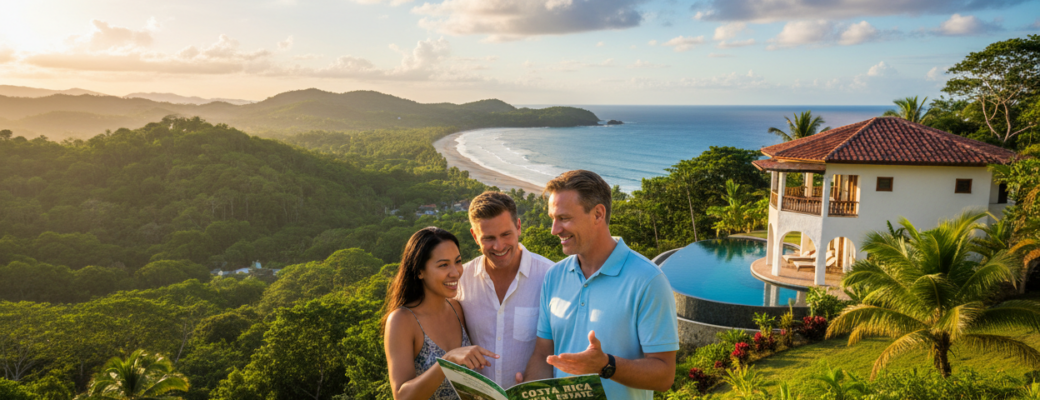
Relocating to Costa Rica? We Guide You Through Real Estate
Thinking about a major life change? Moving to a new country is a huge decision. The real estate part can feel overwhelming when systems, languages, and laws are different.
At GAP Real Estate, we start with education. We walk you through the landscape here so you understand what you’re buying and why it matters. Our goal is clarity, not pressure.
This country consistently ranks among the world’s top spots for retirement and relocation. Why? It boasts a long-standing democracy, political stability, and incredible natural beauty. It’s also the safest nation in Central America.
We built our approach around being a helpful guide. We demystify the process from discovery to closing. You get straightforward, practical advice every step of the way.
This guide will cover market trends, legal essentials, and how to work with local professionals. Our casual, no-suits-required style keeps things accessible. We’re here to help you move to Costa Rica with confidence and realistic expectations.
Whether you’re a retiree, digital nomad, or investor, we provide the map. Let’s explore the opportunities of living in Costa Rica together.
Understanding the Costa Rican Real Estate Landscape
The appeal of Costa Rican real estate is deeply tied to the nation’s natural wonders and stable society. You’re not just evaluating properties. You’re exploring access to a lifestyle defined by extraordinary assets.
A Snapshot of Costa Rica’s Unique Appeal
This compact country holds about 6% of the world’s biodiversity. You can find rainforests, volcanoes, and coastlines all within a short drive. Modern infrastructure supports this beauty.
Clean water and reliable internet are standard. The culture is famously welcoming. People choose this country for a high quality of life that feels both adventurous and secure.
The climate is a major draw. You can pick tropical beach humidity or the eternal spring of the Central Valley. This choice directly influences property types and values.
Market Trends and Investment Potential
Interest from international buyers remains strong. We see steady demand for well-located homes and land. This isn’t a speculative boom market, however.
Sound investments here rely on careful due diligence. Understanding local zoning, water rights, and access is crucial. We help you identify properties with solid fundamentals.
Value is driven by clear title, location, and community fit. Our guidance focuses on these practical factors. We aim for realistic, long-term satisfaction in your Costa Rica investment.
Exploring the Basics of Relocating-to-Costa-Rica
Before you tour a single property, getting familiar with residency options shapes your entire buying strategy. Your legal status here directly affects ownership structures and your timeline.
You can enter as a tourist for up to 180 days. This period is perfect for initial research. Serious buyers, however, explore formal residency pathways.
The primary options are clear. The Pensionado visa requires a lifetime pension of $1,000 per month. The Rentista path asks for $2,500 in guaranteed monthly income.
The Inversionista category needs a $150,000 qualifying investment. Remote workers often choose the digital nomad visa, proving $3,000-$4,000 in monthly income.
Processing typically takes 3 to 12 months. Costs range from $1,500 to $4,000. After three years of temporary residency, you can apply for permanent status.
We help you coordinate your real estate purchase with this application process. Understanding these basics upfront leads to confident, informed decisions. You’ll choose a property that fits your actual relocation plan.
The Journey: From Discovery to Closing
Navigating the real estate process in Costa Rica involves a structured path from initial curiosity to final closing. We designed this journey to keep you informed and protected.
Property Discovery & Initial Research
Discovery starts with understanding your needs. Are you seeking a retirement home, rental income, or land? Each goal points to different regions and property types across Costa Rica.
We encourage you to spend real time exploring your options. Renting an Airbnb gives you daily-life experience. Joining local Facebook groups connects you with expats for insights on the best places to live.
Tours, Vetting, and Offer Guidance
Next, we arrange comprehensive property tours. We look beyond photos to examine access roads, water sources, and HOA rules. This helps spot potential red flags common in Costa Rica.
Vetting involves reviewing title info, zoning, and liens. We ensure utilities and permits match your plans. When ready, we guide your offer with local market knowledge and negotiation strategies.
Coordinating with Local Experts
The final phase connects you with trusted professionals. This includes attorneys for title review and notaries for closing. We coordinate everything so legal requirements are met smoothly.
Throughout, our role is educational. We provide information and support so you can proceed confidently at your own pace.
Buyer and Investor Education on Costa Rica Real Estate
Understanding the due diligence process is the cornerstone of a successful real estate investment in Costa Rica. Our core mission is education. We transform complex legal checks into clear, protective steps.
Essential Due Diligence Steps
The most critical step is a clean title review. A reputable local attorney must verify the history at the Registro Nacional. They check for liens and confirm the seller’s legal authority to transfer ownership.
Title insurance is highly recommended here. It protects against historical land disputes, especially in rural areas. Taking this time is a non-negotiable requirement for safety.
Key Factors: Clean Title, Survey, and Zoning
Next is the survey, or plano catastrado. This ensures the physical boundaries match the registered deed. It prevents future encroachment or easement issues.
Finally, verify zoning and permitted use. Just because land exists doesn’t mean your intended use is legal. Checking this upfront avoids costly mistakes and delays.
We emphasize these steps because the Costa Rican system differs. There’s no standardized MLS disclosure. Thorough due diligence gives you accurate information and peace of mind.
Navigating Legal and Documentation Requirements
One of the most important decisions you’ll make involves choosing between personal and corporate ownership structures for your property. The legal requirements in Costa Rica differ from what you might expect. We help you understand these systems so you can proceed with confidence.
Ownership Structures: Personal vs. Corporate
Many foreign buyers use a Costa Rican corporation (sociedad anónima) to hold property. This structure offers easier transfer and estate planning benefits. However, it requires annual filings and maintenance.
Personal ownership works well for primary residences. Yet it can complicate matters if your heirs live abroad. Your attorney will advise which option fits your specific situation best.
Authentication, Translation, and Compliance
Document preparation follows strict protocols. Papers like birth certificates and background checks need apostille authentication first. Then they must be translated into Spanish by an official translator.
These steps apply to property purchases, residency applications, and banking. Missing this compliance can delay your entire process. We coordinate with professionals to ensure everything meets Costa Rican legal standards.
This information helps you understand the landscape. Always consult a qualified Costa Rican attorney for advice tailored to your residency status and goals. They’ll guide you through all documentation requirements.
Coordinating with Local Pros for a Smooth Experience
Successfully closing on a home here requires navigating a unique system where attorneys and notaries hold distinct roles. This final phase is where our coordination becomes crucial.
Role of Attorneys and Notaries
In the Costa Rican system, notaries are specially certified attorneys. They formalize property transfers and ensure legal compliance. Your personal attorney handles the title investigation and document review.
Escrow, Registry, and Closing Procedures
Escrow processes in Costa Rica aren’t standardized like in the US. Funds often move through attorney trust accounts or specialized services. The notary then certifies the transaction for registration.
We connect you with trusted professionals we’ve worked with for years. This is vital because real estate agents here don’t need licenses. The registry process can take time, and banking requires patience.
Our role is to translate each step and ensure nothing is missed. This way, what seems complex becomes a smooth path to ownership in Costa Rica.
Key Considerations in Property Investing
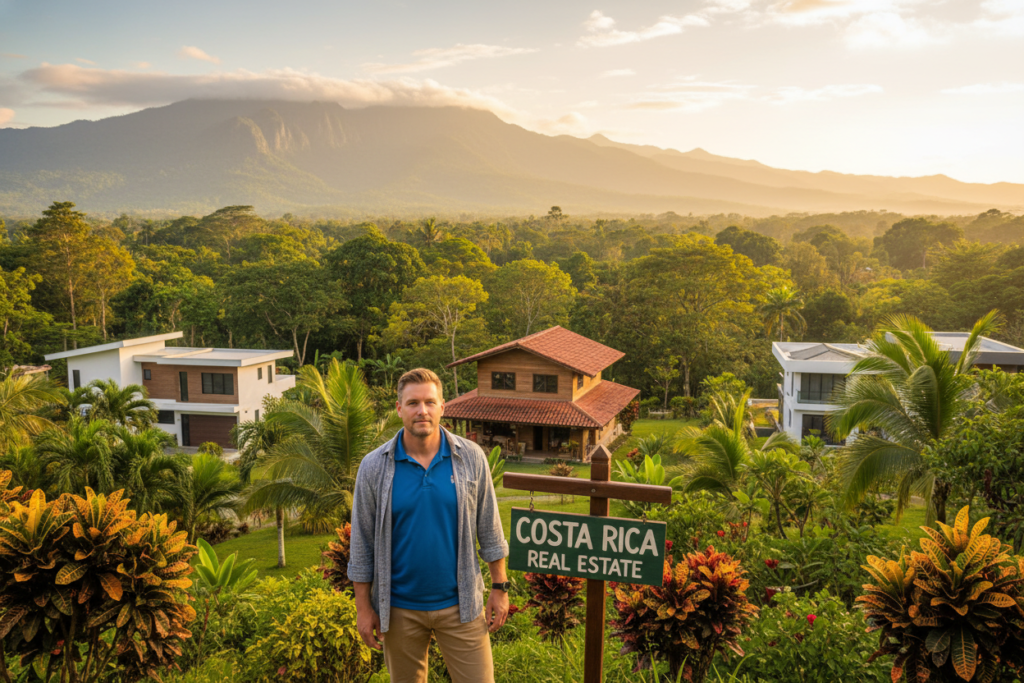
The true value of a property here is often defined by its practical details. We help you look beyond the listing to the factors that impact daily life and long-term value.
Reviewing Boundaries, Easements, and Water Sources
Your property survey, or plano catastrado, must show exact boundaries. Also check for easements that grant others access or utility rights. These can limit your future plans.
Water is a top priority in Costa Rica. Confirm the source is legal and reliable. You need a written water letter for municipal, community (ASADA), or well systems.
HOA/Condo Rules, Utilities, and Road Access
Review HOA or condo rules thoroughly. They may restrict rentals, pets, or architectural changes. Understand all fees and obligations before you commit.
Verify utility availability. Internet and electricity are standard in towns, but rural connections cost more. Road access is another critical check.
Is the road public or private? Is it maintained year-round? You must know who is responsible, especially during the rainy season. We ask these questions so you have all the options for your perfect place.
Realistic Timelines for Your Real Estate Journey
Cultural nuances significantly influence how long it takes to buy a property and establish residency in this country. We emphasize “Tico time” as a genuine factor, not a joke. It affects everything from government processing to construction schedules.
For the property search and purchase alone, plan for a minimum of 2 to 4 months. This covers initial tours to closing if everything goes smoothly. Due diligence typically adds 3 to 6 weeks for title checks and surveys.
Closing procedures then require another 2 to 4 weeks. If you’re applying for a residency visa simultaneously, factor in 3 to 12 months. Temporary status needs renewal every two years.
After three years, you can apply for permanent residency. Construction projects often take two to three times longer here. We help you build realistic buffers and explain what drives delays. This keeps you informed and reduces stress throughout the entire process.
Financing Considerations and Referral to GAP Equity Loans
Many prospective buyers are surprised to learn that traditional mortgages are rarely an option. Financing considerations in Costa Rica differ significantly from the US market.
Most foreign buyers purchase with cash or explore alternative financing options. Traditional bank mortgages for non-residents are difficult to obtain.
General Financing Options and Flexibility
We keep financing discussions general because options vary widely. Your individual circumstances, property type, and market conditions all matter.
Many buyers use a combination of approaches. This includes selling a home country property, tapping savings, or exploring specialized financing for expats.
Some maintain US-based financing secured against other assets. Others work with private lenders who understand cross-border transactions.
When to Consult Experts on Remote Financing
When financing becomes relevant, we refer you to our sister company, GAP Equity Loans. They focus exclusively on equity-based lending solutions for foreign property owners in Costa Rica.
Their team understands the documentation and legal frameworks. They can evaluate if equity lending options might work for your specific situation.
Our role is property education and coordination. For detailed financing expertise, visit gapequityloans.com based on your circumstances.
The Costa Rican Lifestyle and Community Appeal
The ‘Pura Vida’ philosophy isn’t just a slogan. It’s a tangible lifestyle that influences daily living and long-term happiness. People choose Costa Rica for a richer, more connected way of life.
This lifestyle appeal drives real estate decisions here. You’re not just buying property. You’re investing in a life defined by nature, community, and a slower pace.
Experiencing the Central Valley, Beaches, and Expat Hubs
The Central Valley offers a mild, spring-like climate year-round. Towns like Escazú and Heredia provide modern amenities alongside scenic beauty. This region is a popular base for many expats.
Pacific coast beaches attract a different vibe. Places like Tamarindo and Nosara offer surfing and sun. These towns have active expat communities drawn to outdoor living.
Established expat hubs exist where infrastructure meets lifestyle. Atenas is famous for its perfect climate. Grecia offers charming small-town life.
Cultural Vibrancy and the Pura Vida Vibe
Cultural vibrancy comes from the Tico people themselves. Costa Ricans are genuinely welcoming and family-oriented. They embody the “Pura Vida” attitude in daily life.
This values community, helpfulness, and enjoying simple pleasures. Many expats find this social warmth key to their satisfaction. It turns a new place into a real home.
Cost of Living and Housing Market Insights
A clear picture of living costs helps align your property search with your budget. We provide realistic context for the full financial picture of living in Costa Rica.
Comparative Analysis of Monthly Living Expenses
Most American couples live comfortably on $2,000 to $3,000 per month. This covers housing, food, healthcare, and entertainment. Single expats often need $1,500 to $2,000 monthly.
Housing is your biggest variable. A one-bedroom apartment in a Costa Rican city center averages $886 per month. In the US, that same apartment costs about $1,682.
Outside urban centers, rents drop to around $617. Real-life examples show the range. In Atenas, a three-bedroom lifestyle costs about $2,000 monthly. In Grecia, some live well on $1,600.
Affordability and Value in Costa Rica
Overall costs run 30-50% lower than major US cities. This comes from lower housing, affordable local food, and the public healthcare system.
Your lifestyle choices significantly impact your budget. Shopping at local markets and eating at sodas saves hundreds per month.
Understanding these expenses helps you make strategic housing decisions. You can balance your property purchase price with comfortable ongoing costs for living in Costa Rica.
Success Stories and Insider Tips from Expats
Learning from those who have already settled in Costa Rica provides a shortcut to smoother daily life. The best advice comes from real experiences.
Real-Life Experiences and Community Advice
Many expats stress renting first. Live through a rainy season in your chosen town before you buy. This reveals the true rhythm of life.
Banking requires a new mindset. Simple deposits can take an hour. Bring your laptop and turn wait time into work time.
Use a credit card with no foreign transaction fees. This saves money on every purchase. Also, pack high-quality towels. Local options are often thin and scratchy.
Connect with the community through local farmers markets, or ferias. The tropical produce is amazing. Facebook groups are vital for finding reliable services and making friends.
You don’t need fluent Spanish to live in Costa Rica. But learning basics deepens your connection. The key is patience, flexibility, and embracing the Pura Vida pace.
Ready to Begin Your Costa Rican Adventure?
Your journey to owning property here doesn’t have to be complicated. When you’re ready to move from dreaming to doing, we provide the straightforward guidance you need.
Contact GAP Real Estate via WhatsApp for Expert Guidance
Reaching out is the easiest first step. Our casual, no-pressure approach means honest conversations about your goals.
Use WhatsApp at +506 4001-6413 for quick messages, calls, or sharing documents. If you prefer, call our USA/Canada line at 855-562-6427.
You can also visit gaprealestate.com to explore listings and resources. We’re here to answer your serious questions about Costa Rican real estate.
Steps to Schedule Your Property Tour and Due Diligence
Scheduling starts with a chat about what you want. We discuss location, property type, budget, and your timeline.
Then we build a custom tour to match your criteria. We maximize your time, whether you have three days or three weeks in Costa Rica.
Due diligence coordination begins early. We connect you with trusted attorneys and explain each investigation phase.
Taking these steps gives you the information to make confident decisions. It helps you understand your options for a place to live in Costa Rica.
Your Next Steps to Living the Pura Vida Lifestyle
Embarking on your journey to a new life in Costa Rica is an exciting step. Your next steps are clearer now. You understand the real estate landscape, legal needs, and lifestyle costs.
Moving here is a journey measured in months and years. Successful transitions happen when you embrace what makes this country special. Accept the different systems and slower pace.
Your property decisions form the foundation of your life in Costa Rica. That’s why we focus on education first. We help you understand what you’re buying and how to protect your investment.
Whether you’re a retiree, digital nomad, or expat, informed choices start with accurate information. The Pura Vida lifestyle prioritizes life quality and community.
As you take next steps, remember to match Costa Rica’s thoughtful pace. We’re here to guide you through every phase, from residency status to finding home. This helps you live the life you envision.
FAQ
What are the main residency options for expats moving to Costa Rica?
Can foreigners legally buy property in Costa Rica?
How does financing work for real estate in Costa Rica?
What is the most important step in the property buying process?
Where do most expats live in Costa Rica?
What should I budget for monthly living expenses?
Do I need to speak Spanish to live in Costa Rica?
More to Explore